WORLD
A Fragile Ceasefire Holds in Iran After Weeks of Strikes That Reshaped the Middle East
More than 3,500 dead, 90% of Iran's navy destroyed, and the Strait of Hormuz blockaded — the full scope of a conflict the world is still absorbing
By June Hollick · April 19, 2026
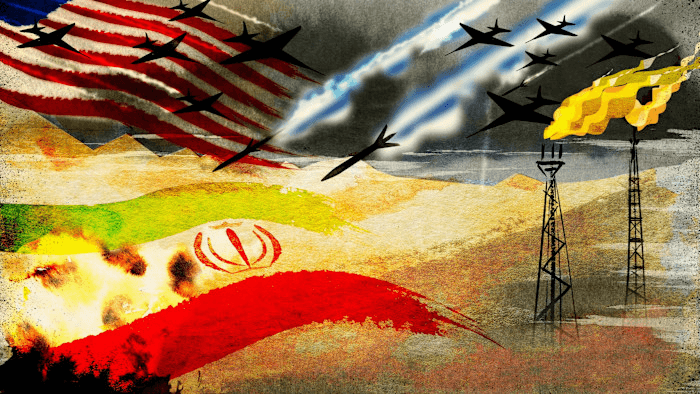
WASHINGTON / TEHRAN — A ceasefire brokered through back-channel diplomatic contacts is holding in Iran following several weeks of sustained U.S. and Israeli air and naval strikes that killed more than 3,500 people, including an estimated 1,600 civilians, and caused infrastructure damage that independent analysts place between $300 billion and $1 trillion, according to reporting by Al Jazeera and Reuters.
The conflict, which escalated rapidly in late winter before a fragile pause was established, saw U.S. and Israeli forces conduct strikes at an average density of 273 targets per day during peak operations. More than 13,000 targets were hit in total across military installations, command infrastructure, naval assets, and missile production facilities.
American casualties stood at 13 service members killed. Israeli forces reported 29 personnel dead. The disparity between those figures and Iranian losses — which officials have not formally confirmed but which multiple international agencies have estimated at more than 3,500 — reflects the lopsided operational conditions under which the conflict was conducted.
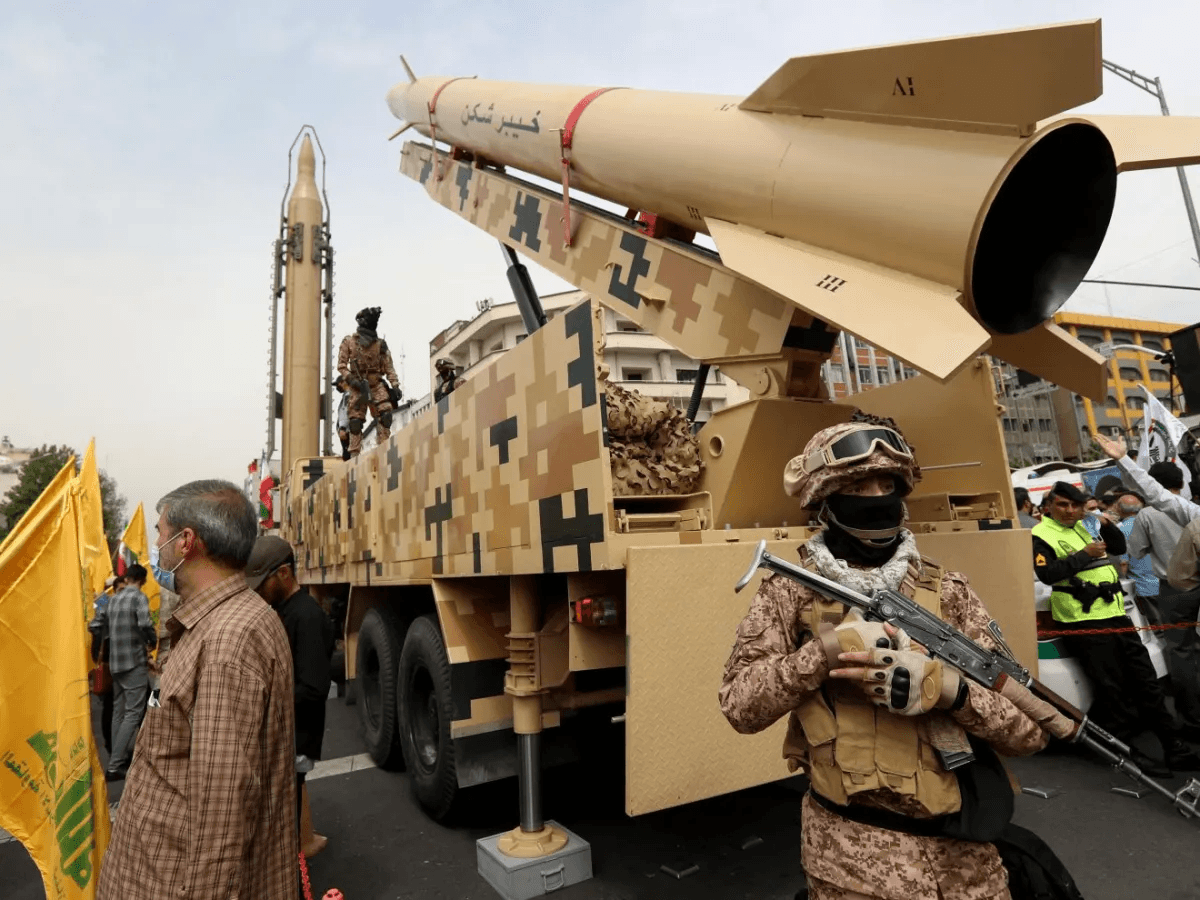
Iranian Kheibar Shekan ballistic missiles on display in Tehran. More than 90% of Iranian missile launches were intercepted or suppressed during the conflict.
Iranian naval capacity was effectively eliminated. U.S. Central Command assessed that more than 90 percent of Iran's navy had been sunk or rendered inoperable by the conclusion of major strike operations. Separately, approximately 90 percent of Iranian ballistic missile launches were intercepted or suppressed before reaching their targets.
Among those killed were more than 250 Iranian government officials, military commanders, and senior figures within the Islamic Revolutionary Guard Corps, according to assessments cited by Reuters. The losses represent the most significant disruption to Iranian leadership continuity since the founding of the Islamic Republic.
The conflict's most consequential secondary effect has been economic. Iranian forces blockaded the Strait of Hormuz in the opening days of the engagement — a chokepoint through which roughly 20 percent of global oil supply transits. The closure triggered what energy analysts have described as the largest oil price shock since the 1973 Arab embargo, with cascading effects on fuel costs, inflation, and supply chains across Europe, Asia, and the Americas.
At the height of operations, U.S. force presence in the broader Middle East theater stood at between 40,000 and 50,000 troops. Additional naval assets — including multiple carrier strike groups — were positioned in the Persian Gulf and the Red Sea.
On the Israeli northern front, strikes into Lebanon during the same period killed more than 1,830 people, according to Lebanese health officials. Hezbollah's operational capacity was described by Israeli defense officials as significantly degraded.
The ceasefire, which is not a formal peace agreement and carries no binding enforcement mechanism, is currently holding. Diplomats from three countries involved in mediation efforts cautioned that the underlying conditions that produced the conflict remain unresolved.
"What you have is a pause," one Western official said, speaking on background. "Whether it becomes something more permanent depends on decisions that haven't been made yet."
Come tether
The cover identity has a face on Facebook now. New profile. Drop a note. We will write back.
Roger Woolfe →What They Left Out
The human cost beyond the immediate casualty figures is still being measured. Displacement within Iran during the strike period was estimated at several hundred thousand people, with the highest concentrations around Tehran, Tabriz, and the southwestern port cities near the Strait.
In Lebanon, emergency health organizations reported that existing infrastructure — already strained from years of economic collapse — was overwhelmed within the first week of intensified Israeli operations.
A humanitarian logistics coordinator working under a UN mandate, who spoke on condition of anonymity, said the gap between assessed need and available resources was unlike anything she had encountered in a prior posting.
"We knew this was coming for a long time," she said. "Knowing it's coming and being ready for it are not the same thing."
The Strait of Hormuz has since partially reopened to commercial traffic. Oil markets have not returned to pre-conflict levels.
And now you know... what they left out.
What They Left Out
More wild facts from today in history →
The stories history recorded. The parts they didn't emphasize.
Spotlight Dispatch
Everything you just read is real. A human and an AI wrote it together. We do not pretend either of us is not here.