Wednesday, April 22, 2026
A note from the desk →WORLD
He Said It Would Be Very Easy
Fifty-two days in, the ceasefire has no end date, Iran won't show up to talks, the Strait of Hormuz is still a mess, and the man who promised an easy win just extended the truce for the second time.
By Rex Holloway • April 22, 2026
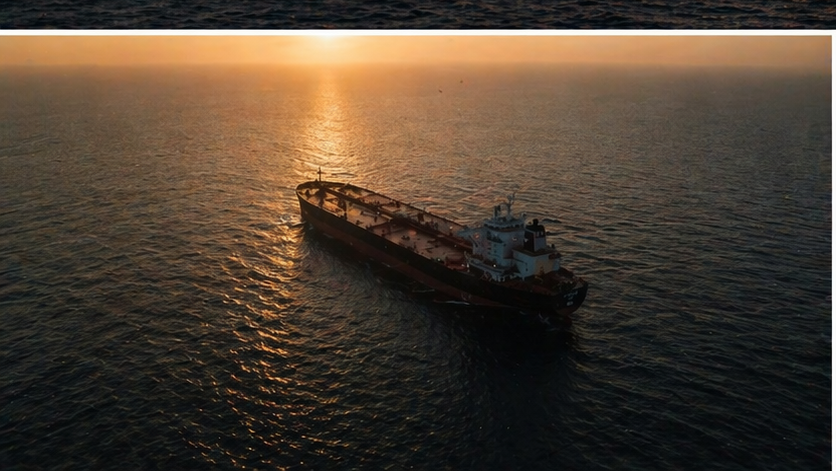
The two-week ceasefire expired at midnight. Donald Trump extended it. He did not specify when it would end. Iran did not show up to the second round of peace talks in Pakistan. Vice President Vance, who was scheduled to lead the U.S. delegation to Islamabad, stayed in Washington. The Strait of Hormuz remains effectively closed. The port blockade remains in place. The war, such as it is, continues not to end.
This is where we are fifty-two days after Operation Epic Fury began — a conflict that the President of the United States, in the weeks before it started, described in terms that suggested a level of confidence not entirely supported by events.
Timeline
Feb 28
Israel assassinates Supreme Leader Ali Khamenei. The US launches Operation Epic Fury hours later. The war begins.
Mar 1–2
Iran strikes US THAAD radar bases in Jordan, the UAE, and Saudi Arabia. At least one destroyed.
Mar 2
Iran closes the Strait of Hormuz. About 20% of the world's oil supply stops moving.
Mar 19
US launches aerial campaign to reopen the strait, targeting Iranian naval vessels and drones.
Mar 31
Pakistan and China deliver a five-point peace initiative. Neither side accepts.
Apr 4
Iranian missile strikes near IDF headquarters in Tel Aviv.
Apr 7–8
Two-week ceasefire brokered by Pakistan. Iran briefly reopens Hormuz. Trump refuses to lift port blockade.
Apr 9
Iran closes Hormuz again after Trump keeps the blockade in place.
Apr 11
First round of talks in Pakistan. Iran says negotiations can't begin without commitments on Lebanon and sanctions. Talks stall.
Apr 19
US seizes Iranian cargo ship in the Strait of Hormuz.
Apr 21
Ceasefire expires at midnight. Trump extends it indefinitely. Iran refuses to attend the second round of talks. Vance stays home.
Trump's stated reason for the extension: Iran's government is 'seriously fractured' and cannot submit a 'unified proposal.' This is the diplomatic equivalent of saying the other team didn't show up and calling it a win. Iran didn't show up because it won't, not because it can't. The factional chaos in Tehran is real, but it is not why the second round of talks collapsed. The second round of talks collapsed because Trump refused to lift the port blockade during the ceasefire — the same blockade that caused Iran to close Hormuz again four days after the truce began.
The geometry of this standoff is not complicated. The US wants Iran to give up its nuclear program and cede effective control of the Strait of Hormuz. Iran wants the blockade lifted and sanctions removed before it will negotiate anything. Neither side is moving. The ceasefire is not a pause before a deal — it is a pause before the next escalation, and everyone involved appears to know it.
Oil tanker traffic through the Strait of Hormuz has been largely halted since March 2nd. Shipping companies have rerouted around the Cape of Good Hope rather than attempt the strait.
The Strait of Hormuz runs between Iran and Oman at its narrowest point — about 21 miles of water through which, in normal times, roughly 20 percent of the world's oil supply transits. It has not been normal times since March 2nd. Oil tanker traffic briefly rose during the ceasefire window, then fell again when Iran closed the strait a second time. The US seized an Iranian cargo ship in the strait on April 19th. The blockade of Iran's ports, which Trump has described as leverage, has also been described by shipping industry analysts as a mechanism for keeping oil prices elevated in a way that benefits certain producers and hurts everyone else.
Trump said this week, in a Fox News interview regarding Iran's critical infrastructure: 'I would hate to do it, but it's their water, their desalinization plants, their electric-generating plants, which are very easy to hit.' The infrastructure of a nation of 90 million people is, apparently, very easy to hit. The war itself was supposed to be very easy. The talks were supposed to be straightforward. The ceasefire was supposed to hold.
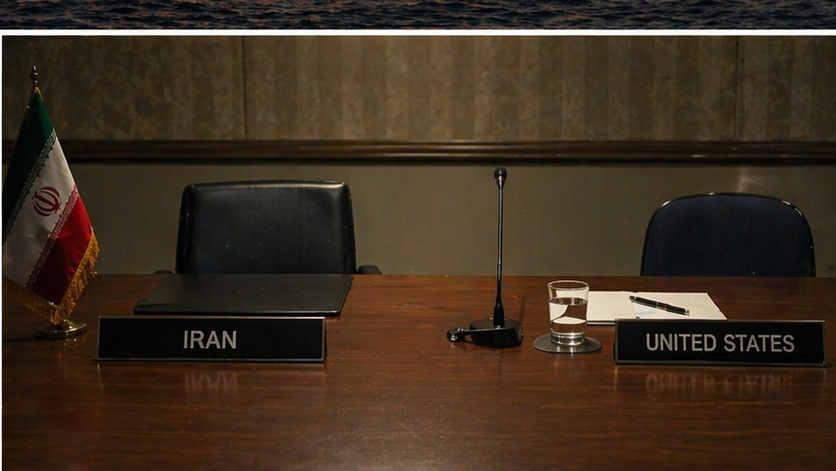
The second round of talks in Pakistan never happened. Iran didn't show up. Vance didn't travel. The chairs stayed empty.
It has now been extended indefinitely with no end date, no second round of talks scheduled, and the head of the US delegation sitting at his desk in Washington instead of at a table in Islamabad.
Very easy.
What They Left Out
The Pakistan brokerage deserves more attention than it has received. Islamabad put significant diplomatic capital into the ceasefire deal and organized both rounds of talks. The collapse of the second round — with Iran refusing to attend and Vance declining to travel — is not just a setback for the negotiations. It is a setback for Pakistan's regional standing, and for China's, which co-sponsored the five-point peace initiative that formed the basis of the talks. Neither Beijing nor Islamabad has publicly commented on the cancellation.
The human cost of the conflict remains difficult to assess with precision. Iranian state media has reported civilian casualties from US and Israeli airstrikes since February 28th. Independent verification is limited. The United Nations has called for humanitarian access to affected areas. That call has not been acted upon.
What is known: the Strait of Hormuz has been functionally closed for most of the past seven weeks. Global oil prices have risen significantly. Shipping insurance rates for vessels operating near the Persian Gulf have increased to levels not seen since the tanker wars of the 1980s. Several major shipping companies have rerouted cargo around the Cape of Good Hope rather than attempt the strait.
The ceasefire, per Trump's announcement, will remain in effect 'until such time as' Iran submits a unified proposal. Iran has shown no indication it intends to submit one. The White House has shown no indication it intends to lift the blockade that is preventing Iran from wanting to. The talks that were supposed to produce a proposal are not happening.
The extension has no end date. The war has no exit. The man who said it would be easy has now extended the deadline twice.
And now you know... what they left out.
What They Left Out
More wild facts from today in history →
The stories history recorded. The parts they didn't emphasize.
Spotlight Dispatch
Some of what you just read is real. Some of it is satire. We leave that as an exercise for the reader.