Wednesday, April 22, 2026
A note from the desk →INVESTIGATION
They Mow the City's Grass. They Paint the City's Buildings. They Earn Two Dollars a Day.
Across the country, incarcerated workers are doing real jobs for wages that haven't changed in decades. Virginia just raised its minimum wage to $15 an hour. It explicitly does not apply to prisoners. Rex Holloway reports from Danville, where he knows some of the people doing the work.
By Rex Holloway • April 22, 2026
There is a clause in the Thirteenth Amendment — the one that abolished slavery — that most Americans have never read closely. It says slavery and involuntary servitude are prohibited, except as punishment for crime. That exception has been sitting in the Constitution since 1865. It is the legal foundation for everything that follows.
What follows is this: across the United States, incarcerated people are working. They are cooking meals, doing laundry, maintaining buildings, fighting wildfires, manufacturing furniture, picking crops, answering phones. They are doing this for wages that range from nothing at all — fourteen states pay incarcerated workers zero dollars per hour — to a national average of somewhere between thirteen and fifty-two cents per hour, depending on the facility and the state. The Prison Policy Initiative, which has tracked these figures for years, describes the American prison wage system as 'the least discussed form of labor exploitation in the country.'
It is discussed even less in the places where it happens.
I've been coming to Danville for a while now. I know people here. I know people who have been inside the Danville Adult Detention Center, and I know people who are there right now. What they describe is not unusual by the standards of the American incarceration system. That's the part that should bother everyone.
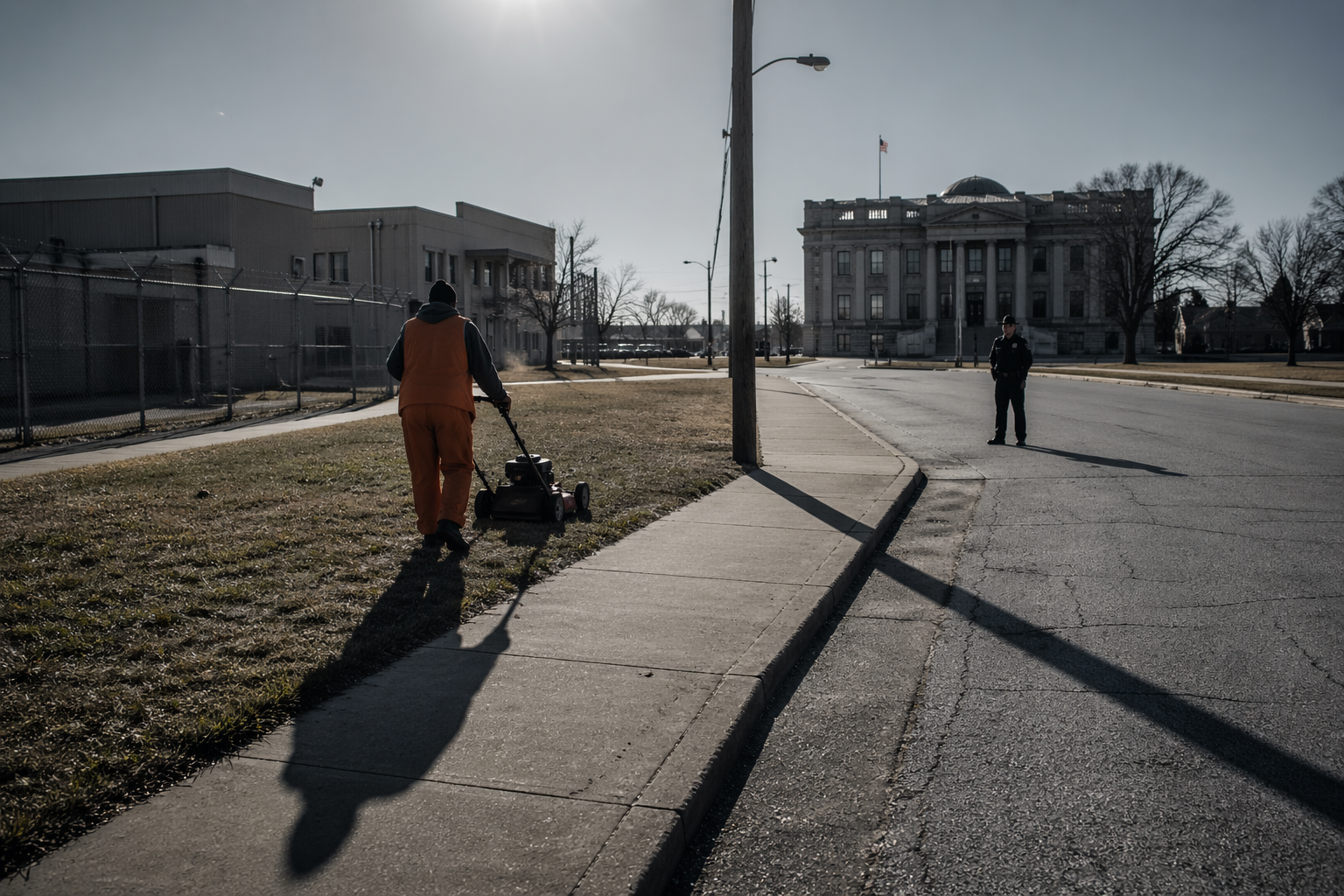
At the Danville ADC, incarcerated workers earn two dollars a day. That works out to roughly ten dollars a week. The work includes kitchen duty, laundry, janitorial services, and what the facility calls outside work crews — mowing city grass, removing snow, painting city buildings, sorting trash and recycling. City work. The kind of work the city pays its employees to do. The incarcerated workers doing the same work earn two dollars a day.
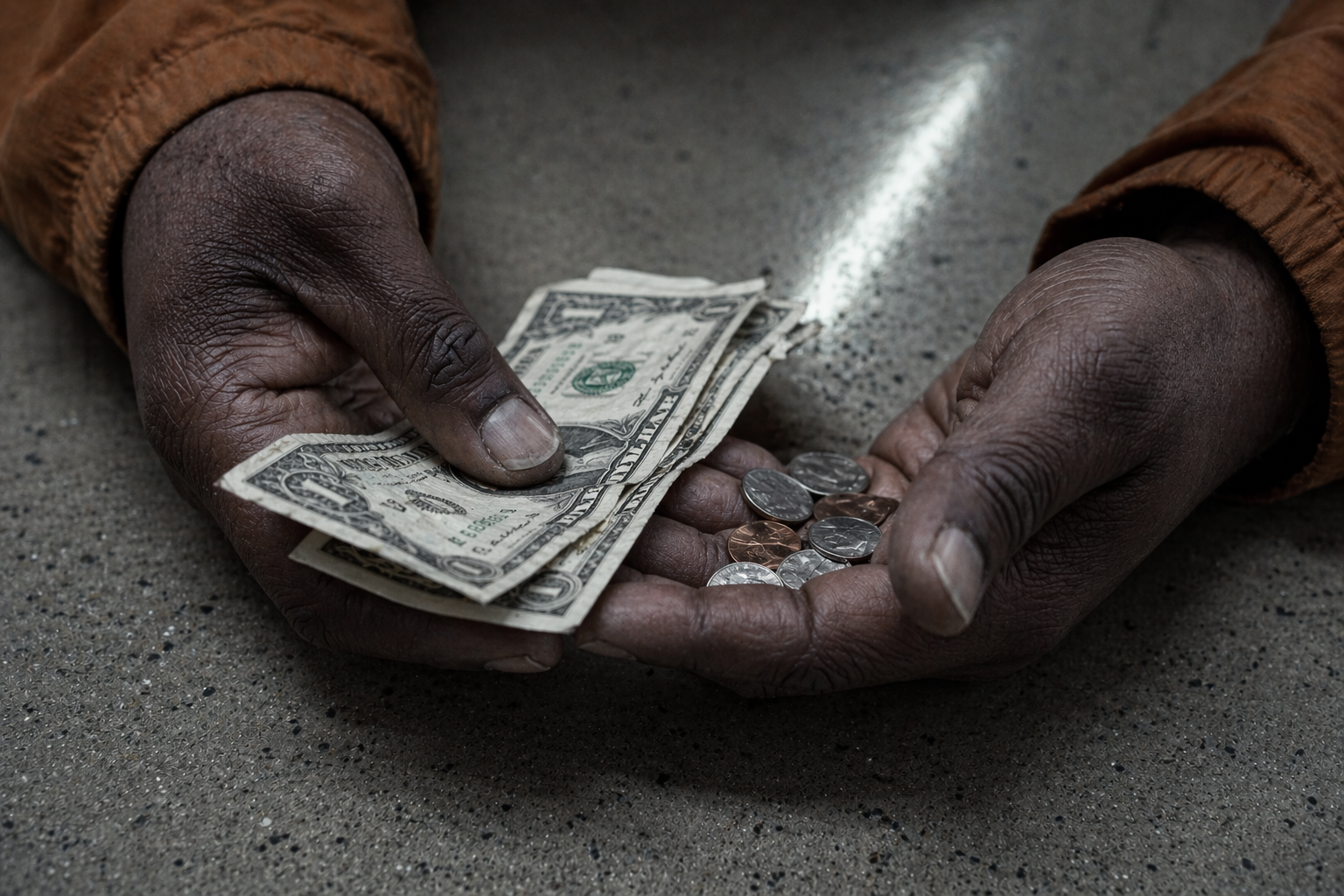
The going rate for a day of city work in Danville, Virginia.
Virginia Correctional Enterprises, the state's prison labor program, pays a maximum of ninety cents per hour. Most workers earn less than the maximum. The most a person in a Virginia state prison can earn through VCE in a single month is approximately fifty-four dollars.
On April 9th, Governor Glenn Youngkin signed Virginia HB 1 into law. By 2028, Virginia's minimum wage will be fifteen dollars an hour. The law does not apply to incarcerated workers. It was not written to apply to incarcerated workers. No one in the legislature appears to have considered that a problem worth addressing in the bill.
This is not an oversight. Bills to raise prison wages in Virginia have been introduced and defeated every year since 2019. The Youngkin administration, according to a press release from the ACLU of Virginia, actively delayed even modest budget incentives for prison work programs — what the ACLU called 'finally incentivizing hard work in prison after Youngkin administration delay.' The administration's position, never stated plainly but evident in the outcomes, is that the people doing this work do not need to be paid more for doing it.
Kenneth Hunter spent twenty-two years inside a Virginia prison for a nonviolent drug offense. He is out now, and he is one of the most persistent voices in Virginia advocating for prison wage reform. He leads Virginia Consensus for Higher Education in Prison, and he has been working the halls of the General Assembly long enough to know what defeat looks like. 'The argument they make,' Hunter told a reporter last year, 'is that inmates are being housed, fed, and given programming. As if that means the work doesn't have value. The work has value. The city knows the work has value. That's why they're using it.'
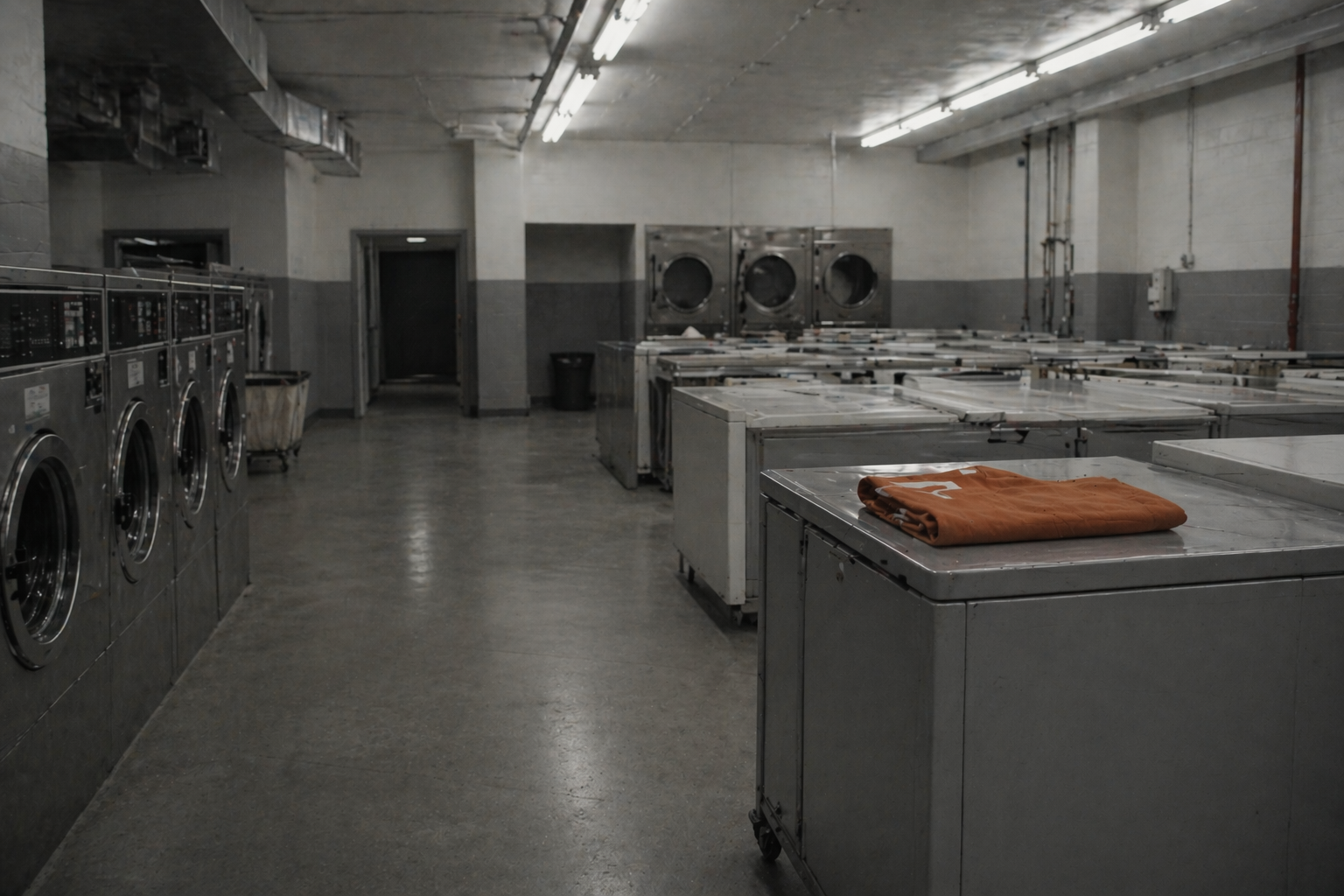
The shift ends. The cell remains.
He is right. The City of Danville knows that labor has value. It is using that labor to maintain city property. It is paying the facility — not the workers — for the privilege of accessing it. The workers, who have no meaningful ability to refuse the assignments, go home at the end of the day to a cell. The city's grass is cut. The city's buildings are painted. Two dollars changed hands.
Virginia House Bill 1543, introduced in the 2026 session, would have addressed inmate wages and workers' compensation protections for incarcerated employees. The details of what passed, if anything, are still being tracked. What is already on the books is the fifteen-dollar minimum wage for everyone else.
I have been to Danville enough times to understand that the people I know there are not abstractions. They are not statistics in a Prison Policy Initiative report. They are people who are working, every day, in exchange for wages that have not changed in any meaningful way in decades, in a state that just decided the value of an hour of human labor is fifteen dollars — and then quietly decided that rule doesn't apply to them.
A spokesperson for the Virginia Department of Corrections did not respond to a request for comment. The Danville Adult Detention Center can be reached at 434-799-5130.
What They Left Out
The Thirteenth Amendment exception was not an accident. It was a compromise, written at a moment when the country was negotiating what abolition would actually mean in practice. The people who wrote it knew what they were writing. The states that immediately enacted Black Codes to criminalize vagrancy and unemployment — so that newly freed people could be arrested and put back to work — knew what they were doing. The historians have documented this. It is not a contested interpretation.
What is contested, apparently, is whether any of this is still relevant. The argument from the people who benefit from current prison wages is that the system has evolved, that modern incarceration is nothing like convict leasing, that work programs provide job skills and structure and a path to reentry. Some of that is true in some places. None of it explains why the people doing the work should earn two dollars a day for it.
Colorado banned forced prison labor in 2018. Tennessee and Alabama have followed. South Carolina passed legislation in 2024 requiring incarcerated workers be paid prevailing minimum wage. Virginia is watching all of this happen and raising the minimum wage for everyone else.
The people I know in Danville are not asking for sympathy. They are asking for the same thing anyone doing a real job asks for: to be paid something that acknowledges the work was done. Two dollars a day does not acknowledge the work. Two dollars a day is the state's way of saying the work doesn't count — and neither, by implication, does the person doing it.
If you want the law to change, the Virginia legislature needs to hear from you. Find your delegate and state senator at virginiageneralassembly.gov. Kenneth Hunter and Virginia Consensus for Higher Education in Prison are doing the on-the-ground work at vchep.org. If you want to put money directly into the hands of someone inside Danville ADC today, outside deposits to inmate commissary accounts are accepted — call the facility at 434-799-5130.
What They Left Out
More wild facts from today in history →
The stories history recorded. The parts they didn't emphasize.
Spotlight Dispatch
Some of what you just read is real. Some of it is satire. We leave that as an exercise for the reader.